Comparison
Model 3 vs Bolt EV for Rideshare: Comfort Tier vs Cheapest Mile
Bolt EV for the lower cost per mile and purchase price. Model 3 for Uber Comfort access, at a real premium on both fronts.
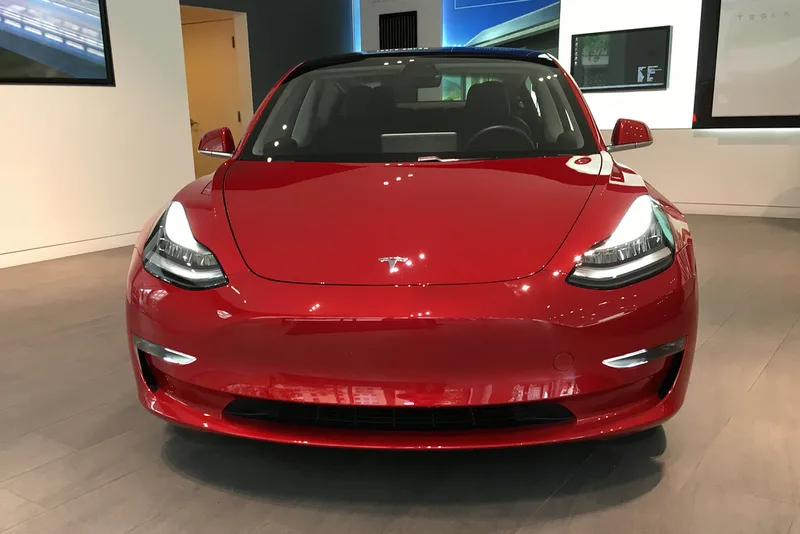
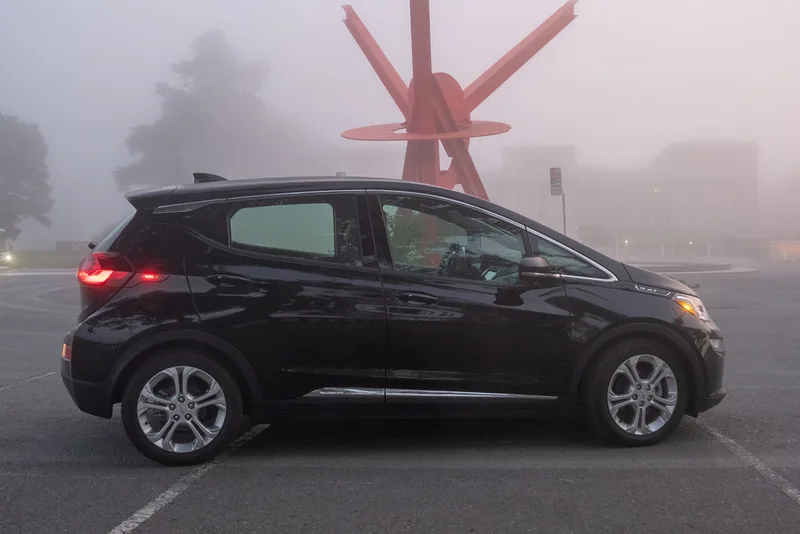
- Energy 4.3¢/mi
- Maintenance 2.4¢/mi
- Depreciation 14.0¢/mi
- Energy 5.2¢/mi
- Maintenance 1.8¢/mi
- Depreciation 11.0¢/mi
Energy, maintenance and depreciation only, at $0.18/kWh. Insurance, registration and any car payment sit on top — add yours in the cost per mile calculator.
| Spec | Tesla Model 3 | Chevrolet Bolt EV |
|---|---|---|
| Combined MPG | — | — |
| kWh / 100 mi | 23.7 | 28.1 |
| Used price range | $17,200–$23,480 | $8,587–$18,487 |
| Maintenance per year | $358 | $273 |
| Seats | 5 | 5 |
| Cargo (cu ft) | 15 | 16.6 |
| Rear legroom (in) | 35.2 | 36 |
| Uber X | Yes | Yes |
| Uber Comfort | Yes | No |
| Uber XL | No | No |
Sources: Tesla Model 3 — EPA fuel economy, maintenance estimates, used price guide, Uber vehicle requirements ; Chevrolet Bolt EV — EPA fuel economy, maintenance estimates, used price guide, Uber vehicle requirements . Updated 2026-08-27.
The short answer
Both cars in this comparison are electric, so the usual fuel-versus-electricity story does not apply — the question here is EV against EV. The Bolt EV is the cheaper car on every cost measure: 18.0 cents a mile against the Model 3’s 20.7, and thousands of dollars less to buy. The Model 3’s counter is eligibility: it clears Uber Comfort on Uber’s own listing, and the Bolt EV does not. Charging time applies equally to both and is untracked for both, so it does not tip this particular comparison one way or the other — it just remains a real cost neither car’s numbers include.
Cost per mile
The Model 3 is the more energy-efficient of the two: 23.7 kWh per 100 miles against the Bolt EV’s 28.1, a 4.4-kWh gap. At $0.1834 per kilowatt-hour, that works out to about 4.3 cents a mile in energy cost for the Model 3 against 5.2 cents for the Bolt EV — roughly a 0.8-cent edge for the Model 3, its only cost advantage in this comparison. The rest runs the other way. Maintenance is 2.4 cents a mile for the Model 3 against 1.8 cents for the Bolt EV, a 0.6-cent edge for the Bolt EV. Depreciation is the larger gap: 14.0 cents a mile for the Model 3 against 11.0 cents for the Bolt EV, a 3.0-cent edge for the Bolt EV.
Net the three together — the Model 3’s roughly 0.8-cent energy edge against the Bolt EV’s combined 3.6-cent edge in maintenance and depreciation — and the Bolt EV comes out about 2.8 cents a mile cheaper overall: 18.0 cents against the Model 3’s 20.7. At a full-time driver’s 30,000-mile year, that is $838 a year: about $5,386 for the Bolt EV against $6,224 for the Model 3. The current 76-cent IRS mileage rate covers the Bolt EV’s real cost 4.23 times over, the highest multiple of any vehicle in this dataset, against 3.66 times over for the Model 3. Depreciation is a larger share of the Model 3’s total cost — 67.5 percent, the highest depreciation share of any vehicle in this dataset — against 61.3 percent for the Bolt EV.
Price
The Bolt EV is also dramatically cheaper to buy. This Bolt EV generation runs $8,587 to $18,487 used, against the Model 3’s $17,200 to $23,480 — $8,613 cheaper at the floor, $4,993 cheaper at the ceiling. Even at the top of its range, the Bolt EV costs less than the Model 3 does at the bottom of its own.
Uber Comfort — the Model 3’s whole case
This is the one place the Model 3 wins outright: it clears Uber Comfort on Uber’s own vehicle-eligibility listing, and the Bolt EV does not — the Bolt EV is rated for Uber X only. Neither car clears Uber XL. This dataset has no fare data for what Comfort access is actually worth in dollars, so the choice comes down to whether Comfort-tier volume in a driver’s specific market is worth paying both a $838-a-year running-cost premium and thousands more upfront for the privilege.
Charging time
Both cars are EVs, so both carry the same unpriced cost: time spent charging instead of driving for pay, which neither this comparison nor the underlying dataset puts a number on. The Bolt EV’s slightly higher energy use per 100 miles means it needs somewhat more electricity to cover the same distance, but charging speed and downtime depend on charger hardware and a driver’s access to it, not on the vehicle’s efficiency rating alone — nothing in this dataset distinguishes the two cars on that basis. A driver deciding between them should weigh charging logistics using their own charger access, not anything in this comparison.
Space and comfort
The Bolt EV has a small edge in both cabin measures. Cargo space is 16.6 cubic feet against the Model 3’s 15.0, a 1.6-cubic-foot edge, and rear legroom is 36.0 inches against the Model 3’s 35.2, a 0.8-inch edge. Neither gap is large, but both favor the Bolt EV, on top of its lower running cost and lower price — the Model 3’s advantage in this matchup is Uber Comfort eligibility and nothing else.
Break-even
Since the Bolt EV is cheaper to buy and cheaper to run across the realistic price ranges of both cars, the break-even calculator should return no crossover in the Bolt EV’s favor — it wins on cost at every mileage, the same shape of result it produces against the Prius elsewhere on this site. The Model 3 only becomes the better buy once a driver prices in Comfort-tier earnings the calculator cannot see, using the rideshare profit calculator with a driver’s own fare and trip-mix data to check whether that premium clears the $838-a-year gap.
Which one to buy
For a driver without a specific need for Comfort-tier fares, the Bolt EV is the stronger buy on every number this dataset tracks: cheaper to acquire, about 2.8 cents a mile cheaper to run, and slightly ahead on cargo and legroom besides. The Model 3 is the right call only for a driver who has confirmed real Comfort-tier demand in their market and is willing to pay a real premium, in both purchase price and running cost, to reach it. Full breakdowns of both cars are in the Tesla Model 3 review and the Chevrolet Bolt EV review.